Things to do in Portugal's Guarda district, municipality by municipality
The fourteen municipalities grouped into three areas, with what makes each one worth the trip and the driving time from Foz Côa.
In short
The Guarda district, in inland Portugal on the Spanish border, has 14 municipalities. In the north, Foz Côa, Mêda, Figueira de Castelo Rodrigo and Pinhel combine Côa rock art, the Douro and villages such as Marialva. The plateau has Trancoso, Almeida, Guarda, Celorico, Aguiar da Beira, Fornos de Algodres and Sabugal, with border castles. Seia, Gouveia and Manteigas are in the Serra da Estrela, 1 hr 35 min to 2 hrs from Foz Côa.
Practical information
- Municipalities
- 14, with Guarda as the district capital
- Closest to the quinta
- Mêda, 24 km (30 min); Figueira de Castelo Rodrigo, 36 km (45 min)
- Furthest from the quinta
- Manteigas, 110 km (2 hrs)
- Guarda (city)
- 76 km, 1 hr 20 min by car
- Historic Villages in the district
- 7: Castelo Rodrigo, Marialva, Trancoso, Almeida, Castelo Mendo, Linhares da Beira and Sortelha
- World Heritage
- Côa Valley rock art (UNESCO, 1998)
In this article
The Guarda district lies in inland Portugal, where the north of the country meets the centre, along the border with Spain. It has 14 municipalities (concelhos) and runs from the Douro at Vila Nova de Foz Côa to the Serra da Estrela, the highest mountains in mainland Portugal, at Manteigas. If you are staying in Foz Côa, the easiest way to plan is by distance: the north of the district (the Côa, the Douro, Marialva, Castelo Rodrigo) works as half-day trips, the plateau and the border castles need a full day, and the Serra da Estrela, about two hours’ drive away, deserves a day of its own.
The 14 municipalities and driving times from Foz Côa
Times are from Quinta Alto da Fraga to the centre of each municipality’s main town, calculated in November 2026 by the fastest road.
| Municipality | Area | Distance | By car | See first |
|---|---|---|---|---|
| Vila Nova de Foz Côa | Douro and Côa | 1.5 km | 5 min | Côa Museum, rock art, Côa boardwalks |
| Mêda | Douro and Côa | 24 km | 30 min | Marialva, Longroiva castle and spa |
| Figueira de Castelo Rodrigo | Douro and Côa | 36 km | 45 min | Castelo Rodrigo, Serra da Marofa, Barca d’Alva |
| Trancoso | Plateau | 45 km | 50 min | Town walls, castle, Jewish quarter |
| Almeida | Plateau | 58 km | 1 hr 10 min | Star-shaped fortress, Castelo Mendo, Vilar Formoso |
| Pinhel | Douro and Côa | 59 km | 1 hr 10 min | Castle, Caminho de Ronda, Cidadelhe |
| Celorico da Beira | Plateau | 62 km | 1 hr 5 min | Linhares da Beira, Solar do Queijo |
| Aguiar da Beira | Plateau | 65 km | 1 hr 20 min | Largo dos Monumentos Nacionais, Anta de Carapito |
| Guarda | Plateau | 76 km | 1 hr 20 min | Cathedral, castle keep, Jewish quarter |
| Fornos de Algodres | Plateau | 81 km | 1 hr 20 min | Fraga da Pena, Casa da Orca dolmen |
| Gouveia | Serra da Estrela | 91 km | 1 hr 35 min | Abel Manta Museum, Folgosinho |
| Sabugal | Plateau | 104 km | 1 hr 45 min | Castelo das Cinco Quinas, Sortelha |
| Seia | Serra da Estrela | 106 km | 1 hr 50 min | Bread Museum, Sabugueiro, the road to the Torre |
| Manteigas | Serra da Estrela | 110 km | 2 hrs | Zêzere Glacial Valley, Poço do Inferno |
Douro and Côa: the north of the district
Vila Nova de Foz Côa
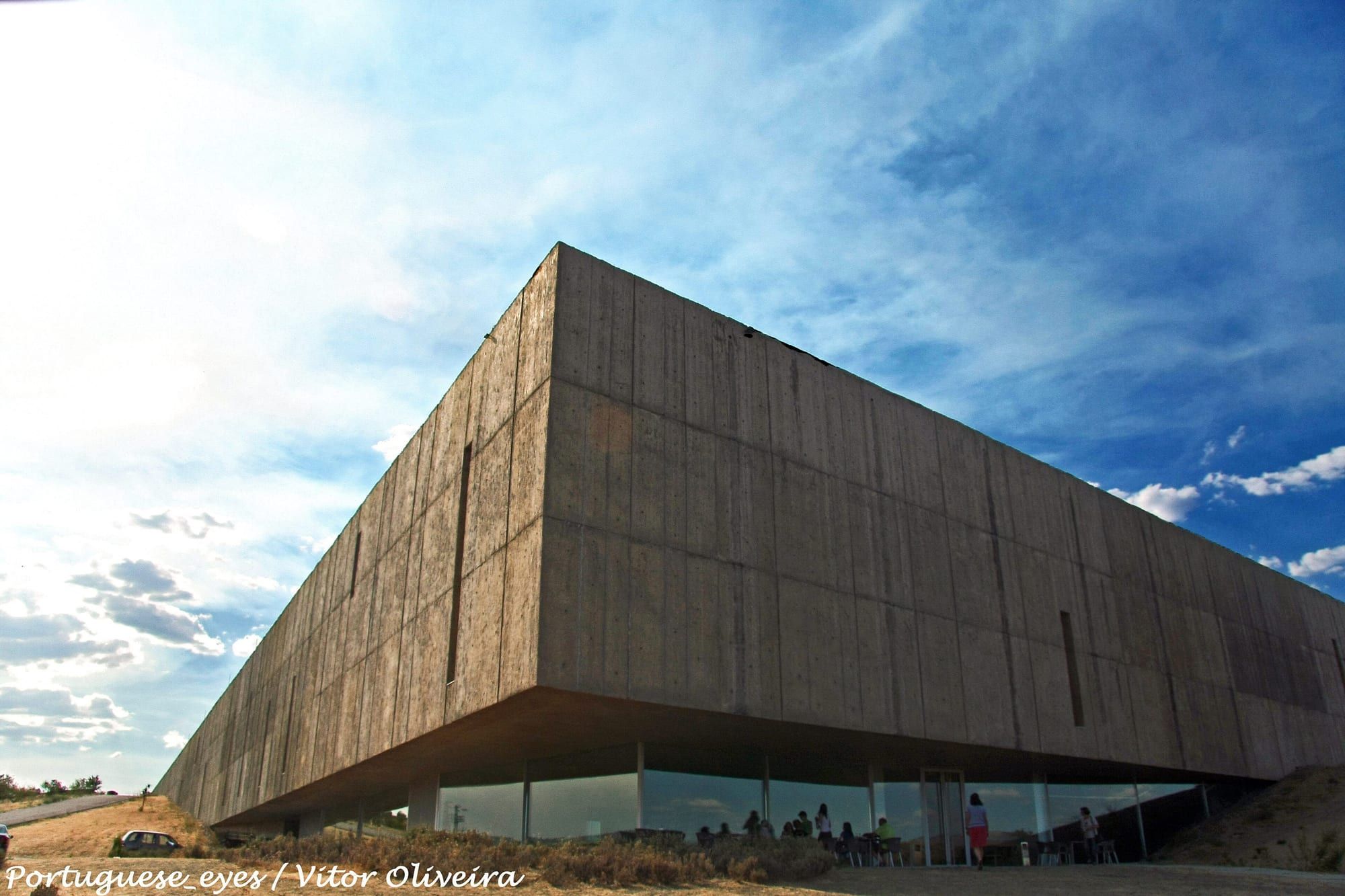
It is the only municipality in the district with two UNESCO World Heritage Sites: the Côa Valley rock art and the Alto Douro Wine Region. Foz Côa belongs to the Guarda district, but for wine it is part of the Douro, in the Douro Superior (Upper Douro), the easternmost subregion, which runs to the Spanish border. The Côa Museum is 1.6 km from the quinta and the place to start before you see the rock art at Canada do Inferno, Penascosa and Ribeira de Piscos. The Côa boardwalks (Passadiços do Côa) run 930 metres down the hillside, with 890 steps and a 160-metre drop, to the point where the Côa meets the Douro. In town, the Manueline parish church (Igreja Matriz) and the pillory are National Monuments. The villages of the municipality, such as Castelo Melhor and Numão, have castles of their own.
Mêda
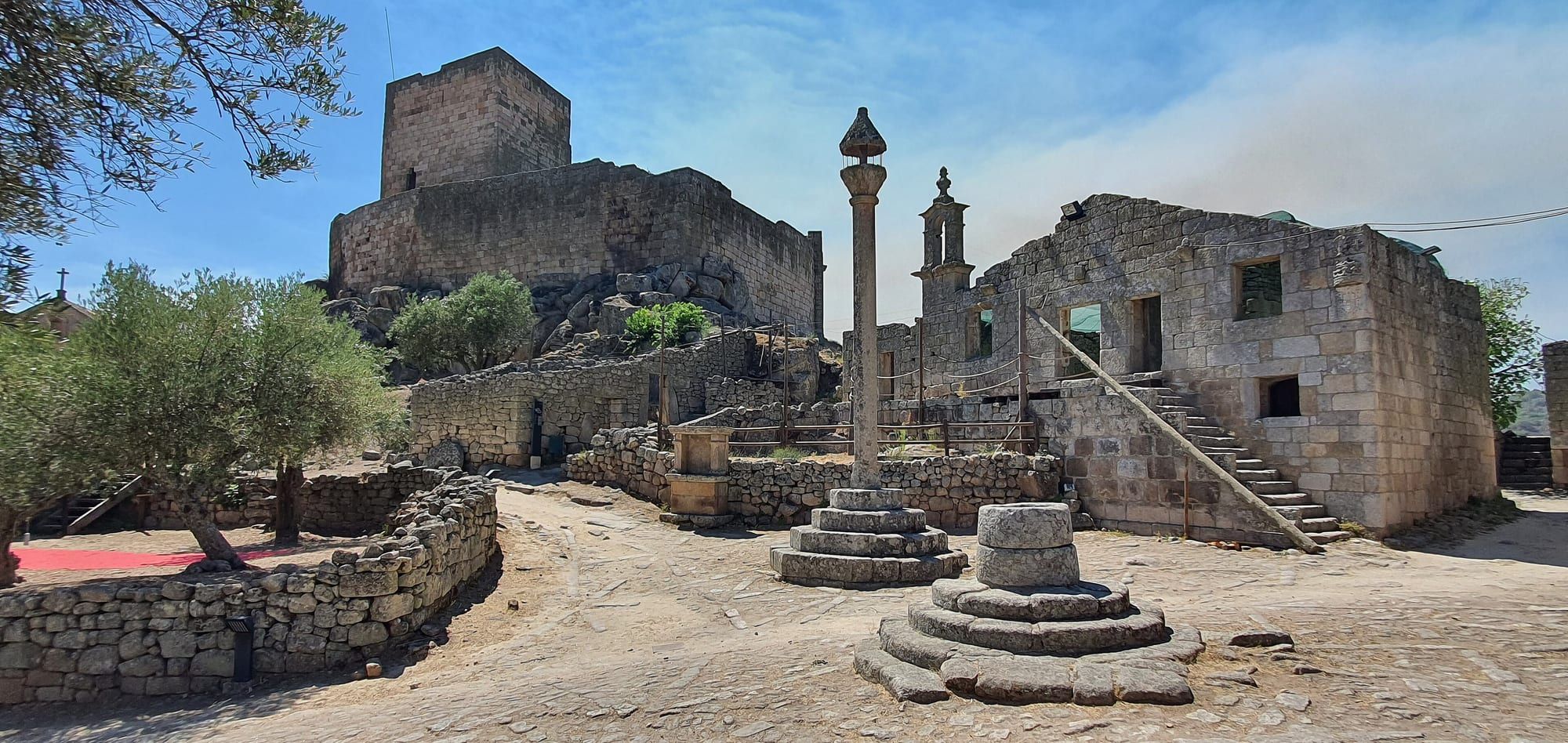
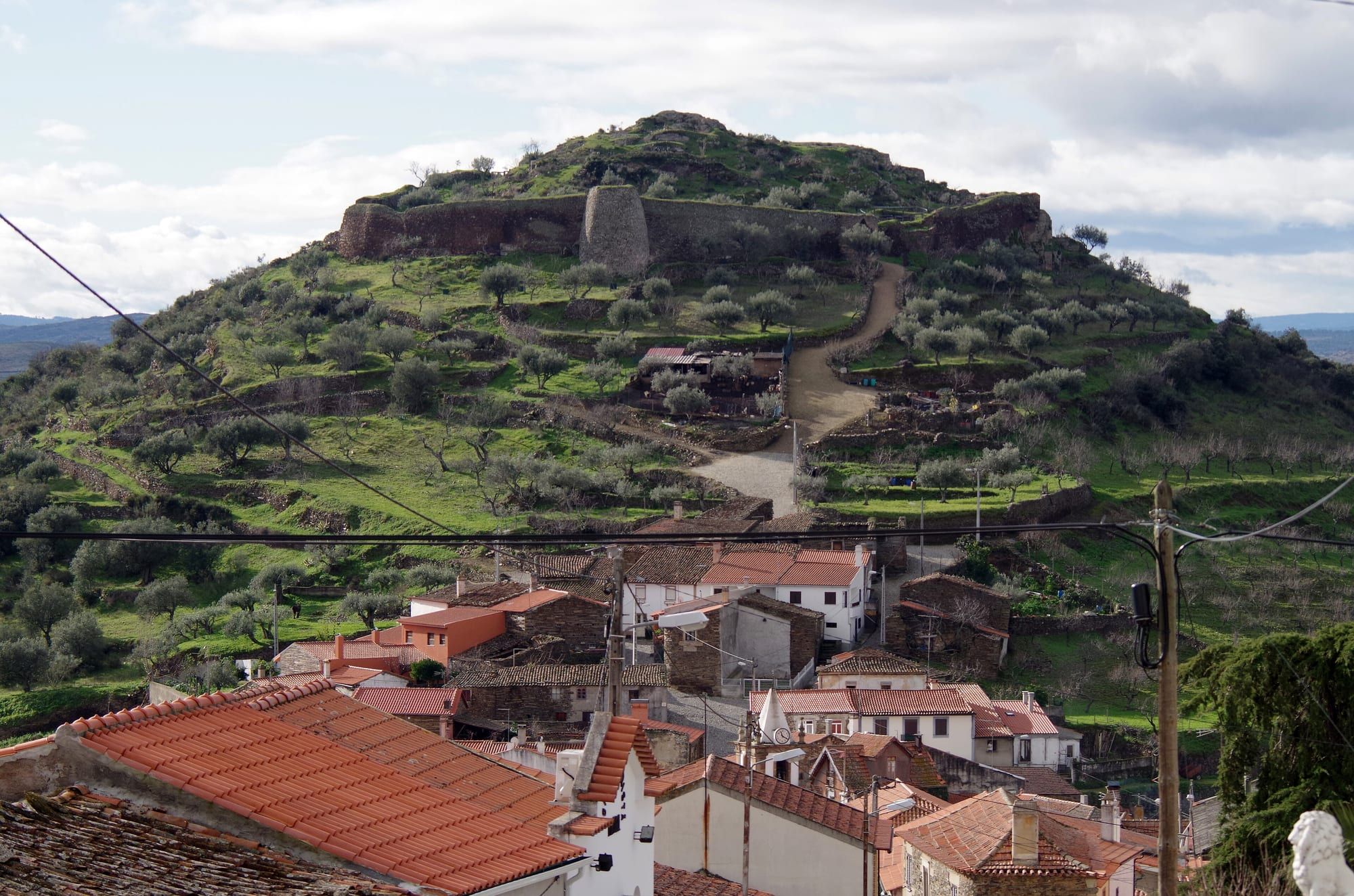
Thirty minutes away, Mêda has two stops. Marialva is one of the Historic Villages of Portugal: a ruined walled citadel with the 17th-century former town hall inside, the medieval outer town below the walls and, further down, the Devesa, where the Roman town stood. Longroiva, 18 km from the quinta, has a castle classified as a National Monument and the Termas de Longroiva, a thermal spa that opens seasonally (check dates and opening hours with the spa before you go).
Figueira de Castelo Rodrigo
Castelo Rodrigo, another of the Historic Villages of Portugal, has the ruins of the Palace of Cristóvão de Moura, the medieval cistern and the Church of Nossa Senhora de Rocamador. Nearby are the Monastery of Santa Maria de Aguiar, a 12th-century Cistercian house, and the Serra da Marofa, with a statue of Christ the King on the summit and views over the Côa valley. The municipality reaches the Douro at Barca d’Alva, 1 hr 5 min from the quinta, and shares the Faia Brava Reserve with Pinhel; there you can see vultures and horses roaming free.
Pinhel
Pinhel castle has two towers in its citadel; the keep, rebuilt in the 16th century, has a Manueline window carved with a lion and an elephant. The Caminho de Ronda follows the walls around the historic centre. In the north of the municipality, Cidadelhe keeps a velvet processional canopy from 1707 and lies next to the Faia rock art site, part of the Côa World Heritage Site. Pinhel is known for its wines and its cavacas, a local sweet, and the Feira das Tradições (traditions fair) is held on the weekend before Carnival.
Plateau and border castles
Trancoso
The walls built on the orders of King Dinis still enclose the centre, where the king married Elizabeth of Aragon in 1282. Inside are the castle, the old Jewish quarter and the Isaac Cardoso Jewish Culture Interpretation Centre, with a memorial to the victims of the Inquisition. St Bartholomew’s Fair (Feira de São Bartolomeu) dates back to 1273; in 2026 it ran from 7 to 16 August. The town’s sweet is the sardinha doce (“sweet sardine”), made with almonds and eggs.
Almeida
The Almeida fortress is a six-bastion star, with moats of about 12 metres, underground casemates and the Military History Museum. The powder magazine blew up in August 1810, during the French siege, and the re-enactment of the siege usually takes place on the last weekend of August. The same municipality includes Castelo Mendo, a Historic Village with pre-Roman stone pigs or boars (berrões) at its gate, and Vilar Formoso Fronteira da Paz (Border of Peace), the memorial to the Second World War refugees who crossed this border.
Celorico da Beira
Linhares da Beira, 1 hr 20 min from the quinta, is the main stop: a castle at more than 800 metres, a National Monument since 1922, and a Roman road about 1,300 metres long. It is also one of the best-known paragliding sites in Portugal, with a festival in August. In the town of Celorico, the Solar do Queijo, in a 17th-century building near the castle, sells Serra da Estrela cheese all year round.
Aguiar da Beira
The Largo dos Monumentos Nacionais brings together the Manueline pillory, the crenellated clock tower and the crenellated fountain. Outside the town, in the parish of Carapito, is the Anta de Carapito, a Neolithic dolmen.
Fornos de Algodres
Fraga da Pena is a granite outcrop at 750 metres, occupied in the Bronze Age, classified as a National Monument and part of the Estrela Geopark. From the top you can see the Serra da Estrela and the Mondego valley. At Cortiçô is the Casa da Orca dolmen, from the fourth millennium BC.
Guarda
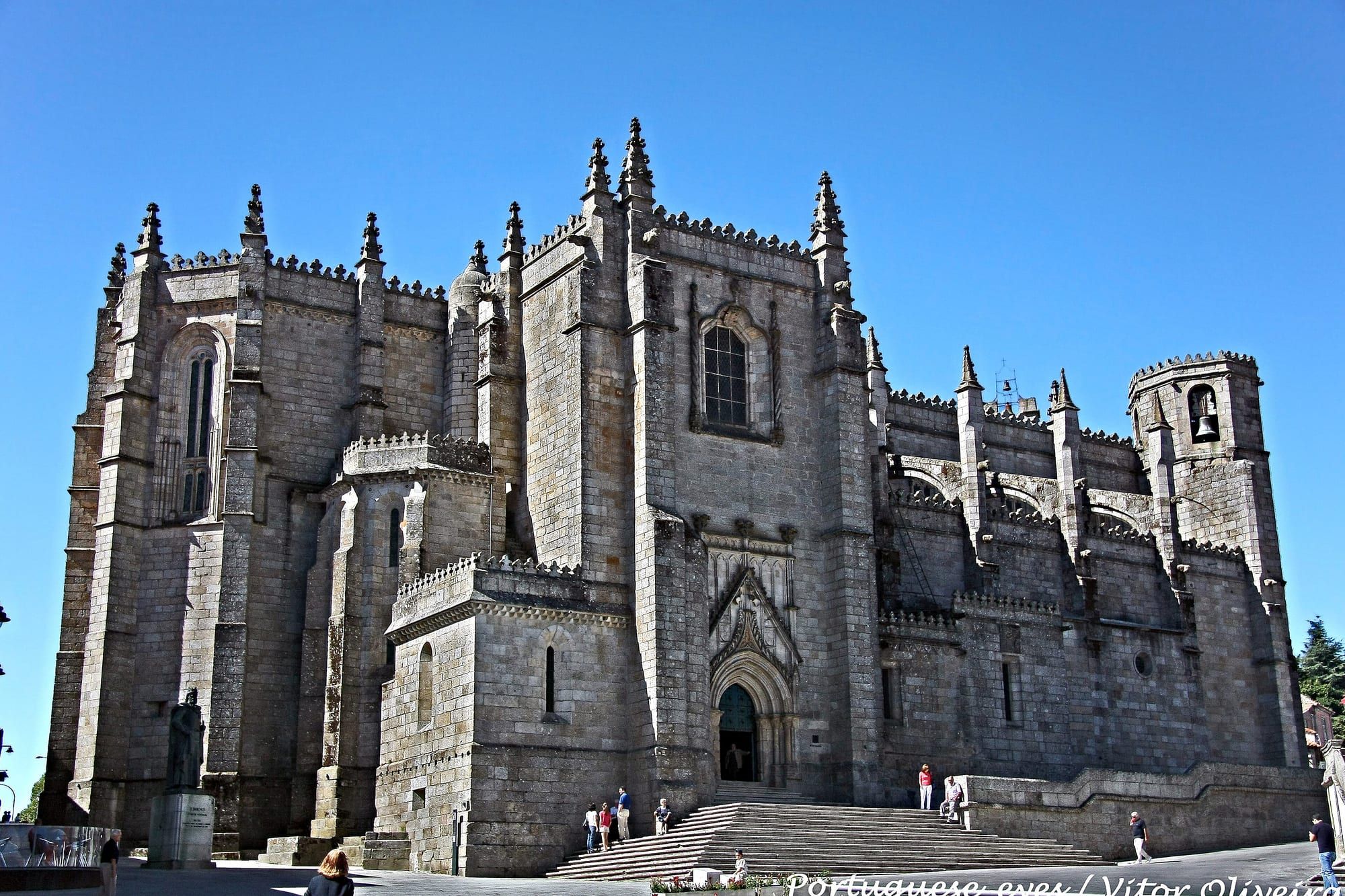
Guarda is the highest city in Portugal, at about 1,056 metres. The granite cathedral (Sé) mixes Romanesque, Gothic and Manueline styles. The keep of the old castle stands at the highest point of the city, looking out over the plateau. In the old Jewish quarter you can still see symbols carved into the stone of the houses.
Sabugal
Sabugal castle, a National Monument, has a five-sided keep, hence its name, Castelo das Cinco Quinas (Castle of the Five Corners). Twenty-five minutes from Sabugal is Sortelha, a Historic Village inside its walls, and the municipality also has the castles of Alfaiates and Vilar Maior. The Devesa river beach, on the Côa, is next to the town centre; there are others in the guide to river beaches near Foz Côa.
Serra da Estrela: Gouveia, Seia and Manteigas
Gouveia
The Abel Manta Municipal Museum of Modern Art, in a manor house on Rua Direita, shows work by the painter, who was born in Gouveia. Up in the mountains, Folgosinho has a single-tower castle, rebuilt in 1938, with views over the valley.
Seia
The Bread Museum (Museu do Pão) is on the edge of town, on the road to Sabugueiro, and CISE, the Serra da Estrela Interpretation Centre, explains the mountain’s wildlife and geology. The road continues through Sabugueiro and past Lagoa Comprida, at about 1,600 metres, to the Torre (1,993 metres), the highest point in mainland Portugal, 2 hrs 15 min from the quinta.
Manteigas
The town sits at the bottom of the Zêzere Glacial Valley. Up the valley, Covão d’Ametade, at about 1,500 metres, is where the Zêzere rises. Poço do Inferno is a waterfall of about 10 metres on the Ribeira de Leandres, reached by a short circular walk. The Penhas Douradas are on the plateau above the town.
From Quinta Alto da Fraga
Foz Côa is at the northern tip of the district, and the IP2 main road runs south from here to the A25 motorway near Celorico da Beira, so almost every trip starts on the same road. Three examples, from nearest to furthest:
- A half day nearby: Marialva (35 min), Longroiva (20 min more) and back, about 1 hr 15 min of driving in all. Alternatively, Castelo Rodrigo and the Serra da Marofa, 50 min away.
- A day of castles: Trancoso (50 min), Linhares da Beira (45 min more) and Guarda (50 min more), then 1 hr 20 min back; about 3 hrs 45 min of driving.
- A mountain day: Seia (1 hr 50 min), up to the Torre via Lagoa Comprida, down through Manteigas and 2 hrs back. That is about 4 hrs 50 min of driving, so start early.
To fit several villages into one day, see the combinations in the guide to the Historic Villages near Foz Côa. On all of these trips you are back in time to sleep at the quinta.
Frequently asked questions
How many municipalities are there in the Guarda district?
Fourteen: Aguiar da Beira, Almeida, Celorico da Beira, Figueira de Castelo Rodrigo, Fornos de Algodres, Gouveia, Guarda, Manteigas, Mêda, Pinhel, Sabugal, Seia, Trancoso and Vila Nova de Foz Côa. Foz Côa is the northernmost, on the south bank of the Douro.
Which municipality is closest to Vila Nova de Foz Côa?
Mêda, 24 km and 30 minutes by car from Quinta Alto da Fraga. It is home to Marialva, one of the Historic Villages of Portugal, and to Longroiva, with its castle and thermal spa. Figueira de Castelo Rodrigo comes next, 36 km and 45 minutes away.
Can you visit the Serra da Estrela on a day trip from Foz Côa?
Yes, if you leave early. Seia is 1 hr 50 min by car, Manteigas 2 hrs and the Torre about 2 hrs 15 min. You can drive up via Seia and Lagoa Comprida, pass the Torre and come down the Zêzere Glacial Valley to Manteigas: about 270 km and 4 hrs 50 min of driving in all.
Which Historic Villages are in the Guarda district?
Seven of the network's twelve: Castelo Rodrigo (Figueira de Castelo Rodrigo), Marialva (Mêda), Trancoso, Almeida and Castelo Mendo (Almeida), Linhares da Beira (Celorico da Beira) and Sortelha (Sabugal). The other five are in the Castelo Branco and Coimbra districts.
Sources
- Vila Nova de Foz Côa Municipality, tourist map of the town and municipality (2025)
- Pinhel Municipality, map of the town and municipality
- Historic Villages of Portugal, Castelo Rodrigo
- Historic Villages of Portugal, Marialva
- Historic Villages of Portugal, Trancoso
- Historic Villages of Portugal, Almeida
- Historic Villages of Portugal, Linhares da Beira
- VisitPortugal, Isaac Cardoso Jewish Culture Interpretation Centre
- VisitPortugal, St Bartholomew's Fair in Trancoso
- VisitPortugal, Vilar Formoso Fronteira da Paz
- VisitPortugal, Longroiva thermal spa
- VisitPortugal, Seia
- VisitPortugal, Aguiar da Beira
- Fornos de Algodres Municipality, Fraga da Pena brochure
- Sabugal Municipality, 2026 Guide
- Gouveia Municipality, guide and map
- Gouveia Municipality, accessible tourism brochure
- Destination Napoléon, re-enactment of the Siege of Almeida
- DGEG, Mines Route: Zêzere Glacial Valley geosite
- Infopédia, Guarda
- Infopédia, Mêda
- Fundação Côa Parque, visits
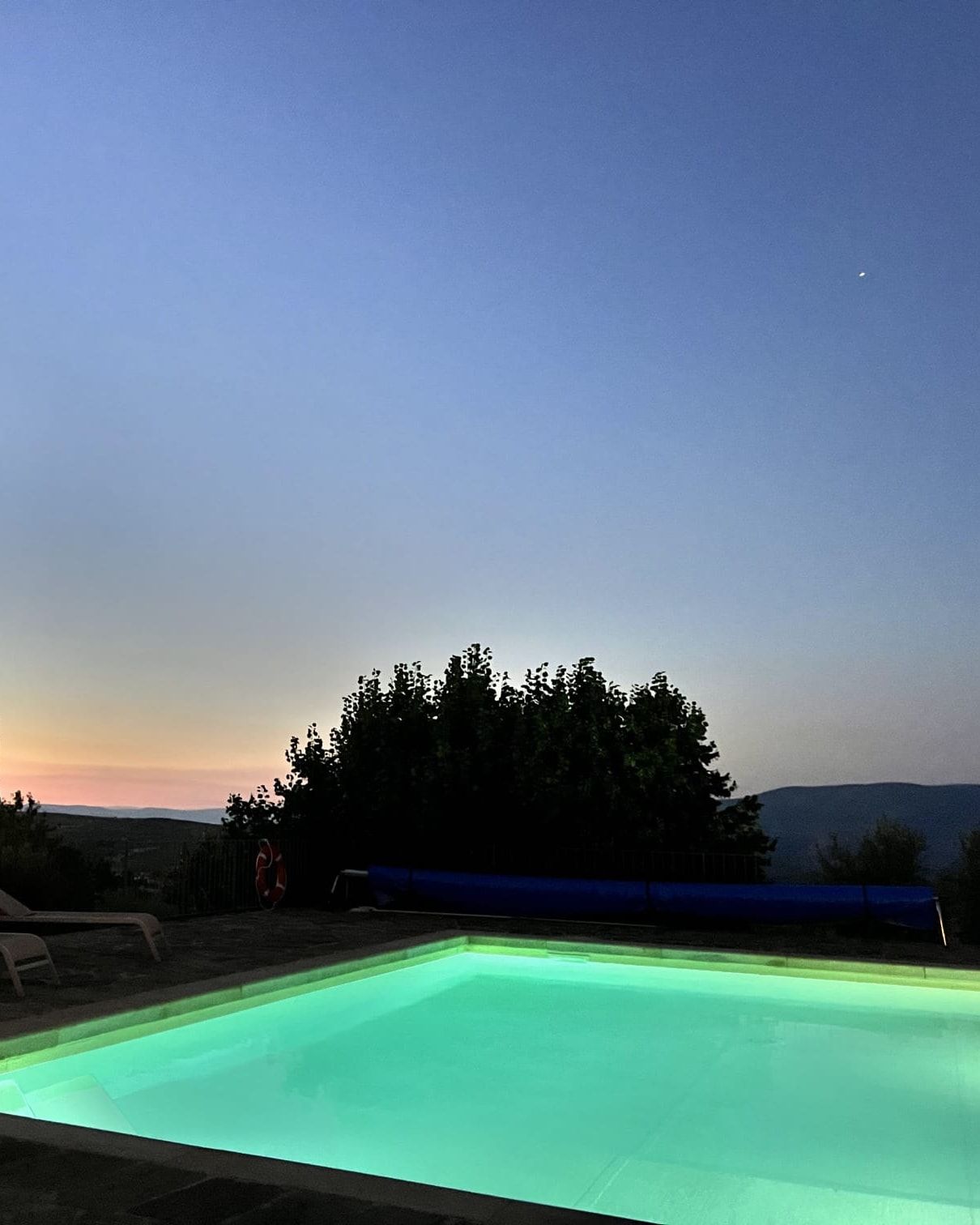
Stay in the middle of the Côa Valley
Four rooms on a quinta with a pool and views over the valley, 1.6 km from the Côa Museum. Rated 9.8 on Booking.com. Ask the hosts directly for availability.
Keep planning
-
-
-