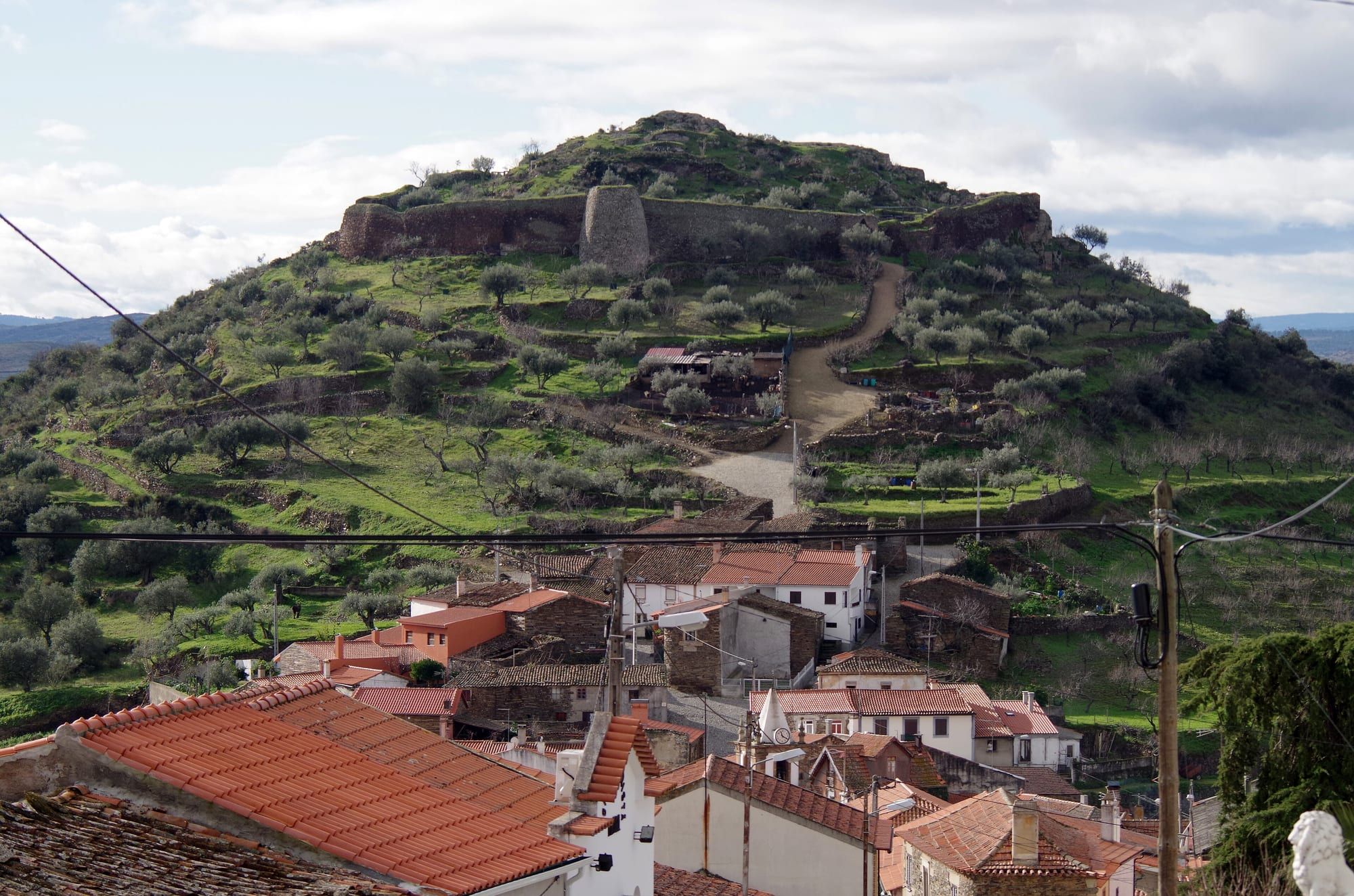
Côa Valley rock art: how to visit Penascosa, Canada do Inferno and Ribeira de Piscos
The three sites with regular guided visits, the boat to Fariseu and the night visit, with meeting points, difficulty, prices and what to bring.
In short
The Côa Valley rock art can only be visited with a guide, by 4x4, in groups of up to 8. Canada do Inferno leaves from the Côa Museum and Ribeira de Piscos from Muxagata, both in the morning (Ribeira de Piscos is closed in summer); Penascosa leaves from Castelo Melhor in the afternoon and at night. Each visit costs €18 per adult in 2026; the night visit, €22.
Practical information
- Ticket
- €18 adult; €12.50 student aged 6 to 18; free up to age 5
- Night visit
- Penascosa, €22; €12.50 up to age 12
- Times
- Canada do Inferno and Ribeira de Piscos in the morning; Penascosa in the afternoon
- Group
- Always guided, up to 8 people per 4x4
- Booking
- +351 279 768 260 (option 1), +351 965 778 799, visitas@arte-coa.pt
- Children
- Under-3s and pregnant women: contact the booking office first
- From Quinta Alto da Fraga
- 1.6 km, 5 min by car
In this article
The rock art of the Côa Valley can only be seen on a guided visit, in a 4x4 run by the Fundação Côa Parque, the foundation that manages the Côa Valley Archaeological Park. Three sites have regular visits: Canada do Inferno, Penascosa and Ribeira de Piscos. In 2026 each visit costs €18 per adult and lasts between an hour and a half and two and a half hours. Book ahead, because each vehicle takes no more than eight people. In the warmer months there is also a solar-powered boat to Fariseu, and Penascosa has a night visit.
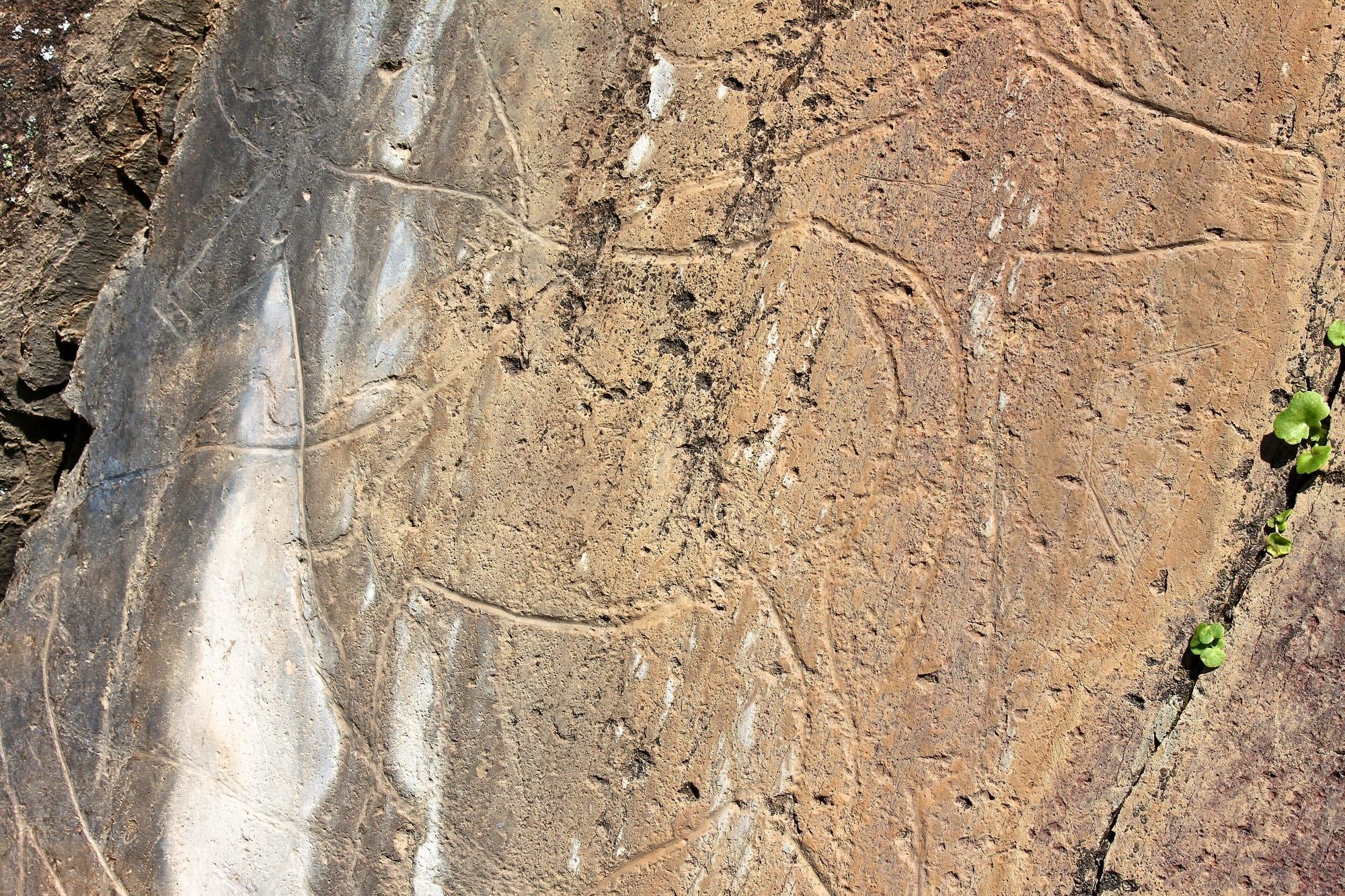
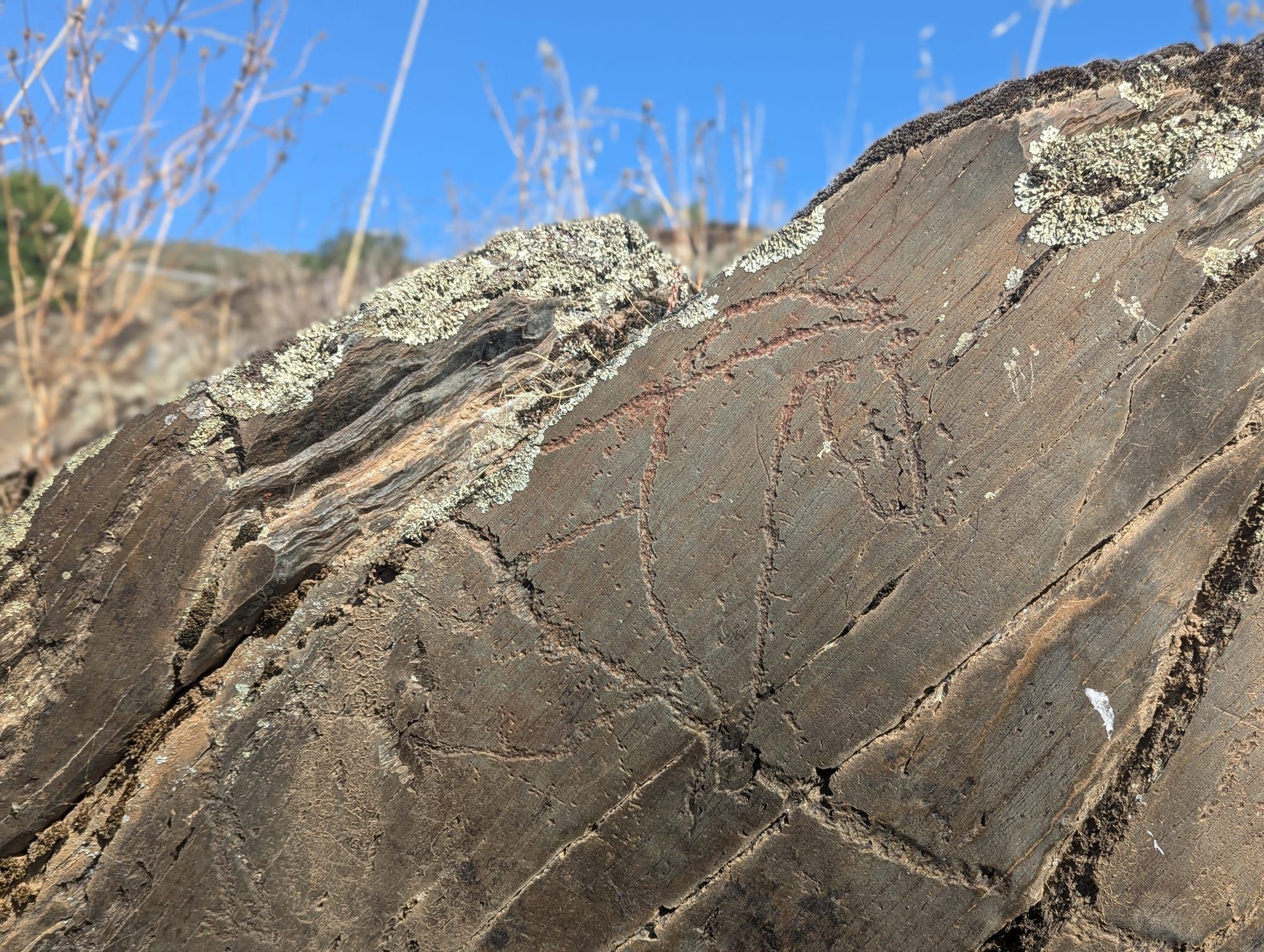
More than 1,200 engraved rocks are known in the valley, at about 80 sites, most of them from the Upper Palaeolithic and some from the Iron Age and later historical periods. Only a small part is open to the public, on routes chosen for the light, the access and the conservation of the rocks.
Côa Valley rock art sites you can visit
| Site | Starts from | When | On foot (return) | Difficulty | Duration | Adult |
|---|---|---|---|---|---|---|
| Canada do Inferno | Côa Museum | Mornings, all year | about 800 m | Medium | 1.5 to 2 hours | €18 |
| Penascosa | Castelo Melhor | Afternoons, all year | about 600 m | Very easy | about 1.5 hours | €18 |
| Penascosa at night | Castelo Melhor | At dusk | about 600 m | Very easy | about 2 hours | €22 |
| Ribeira de Piscos | Muxagata | Mornings, except in summer | about 2.2 km | Medium to high | about 2.5 hours | €18 |
| Fariseu by boat | Canada do Inferno jetty | May or June to October | not stated | not stated | 1.5 hours | €18 |
The times are set by the light. Canada do Inferno and Ribeira de Piscos get low-angled sun in the morning, which brings out the lines. The Penascosa panels, on the right bank of the Côa, are in shade in the morning and only show up well in the afternoon. That is why you cannot fit more than two sites into a day: one in the morning and one in the afternoon.
Canada do Inferno
The visit starts at the Côa Museum (Museu do Côa). The 4x4 drives about 7 km on tarmac to the abandoned works of the Baixo Côa dam and another 3 km on a cobbled track through the old building site, which is part of the story of the discovery. The last 400 metres are on foot, along a narrow but well-kept path: the old millers’ track.
It was the first site to be identified, in 1991, and has 46 engraved rocks, many of them under the Pocinho reservoir. Rock 1 has a two-headed horse, which the Fundação reads as an early way of suggesting movement. On rock 14, an ibex drawn with multiple fine lines became the Park’s logo.
Penascosa
The visit leaves from the Castelo Melhor reception centre, 15 km from Vila Nova de Foz Côa on the EN 222 towards Figueira de Castelo Rodrigo. The 4x4 goes down about 6 km of dirt track between almond and olive groves, with Quinta de Ervamoira in view on the opposite bank, to a river beach where the Côa still flows in its natural bed. From the vehicle to the last rock it is about 300 metres over wide, flat ground, with a stone stairway up to the last two.
It is the most visited site and the easiest. The hillside has 38 engraved rocks, 30 of them with Palaeolithic motifs, and the visit covers those in the southern sector, by the beach, with horses, aurochs and ibex. In 2025 and 2026, excavations next to rock 3 turned up chipped stone tools and dozens of fragments of mineral pigment, in layers that may be more than 27,000 years old. The Fundação plans to dig again in spring 2027.
Penascosa night visit
It follows the same route, with the guide shining a strong, low-angled light on the engravings. As the angle changes, some figures appear and others fade, which helps to separate overlapping drawings. It starts at last light, so the time changes through the year. It lasts about two hours, costs €22 (€12.50 up to age 12) and also leaves from Castelo Melhor. From spring to autumn the nights are usually warm, and full-moon nights are the most pleasant.
Ribeira de Piscos
The ticket page gives the meeting point as the Muxagata parish council office (Junta de Freguesia, Largo da Praça, 3), about 7 km from Foz Côa. Other Fundação pages still say the Côa Museum, so check where to meet when you book. The vehicle covers about 17 km, the last stretch on dirt, and then you walk 1,100 metres to the last rock, 2.2 km in all. It is the most demanding visit, and the Fundação does not recommend it for people who are not very fit or who have difficulty walking. It can include a free stop at the old beam olive press (lagar de varas) in Muxagata.
It does not run in summer because of the heat. It has some of the best-known engravings in the valley: the intertwined horses on rock 1 and, on rock 2, the Homem de Piscos (Man of Piscos), one of the few Palaeolithic human figures in the Côa. The route also takes in a recently discovered panel of paintings, attributed to a period after the Upper Palaeolithic.
Fariseu, by boat or kayak
Fariseu is reached by river. This is where the Fundação identified an engraved aurochs 3.5 metres long, which it presents as the largest known open-air engraving. The electric solar boat leaves from the Canada do Inferno jetty, which you reach in your own car, and travels 4 km along the Côa to the site. It takes up to 10 people, lasts 1.5 hours and costs €18. The visit page says June to October and the ticket page May to October, so ask when you book.
Between June and September there is also a kayak visit, at €42 (€20 up to age 12). It leaves the museum at 9.15am, shows engravings from the water at Canada do Inferno and Vale Figueira, and stops at Fariseu for the visit and a tasting of local produce. It finishes at around 2.30pm.
How much a Côa Valley rock art tour costs
Fundação Côa Parque price list approved on 30 October 2026:
| Ticket | Price |
|---|---|
| Adult (Canada do Inferno, Penascosa or Ribeira de Piscos) | €18.00 |
| Student aged 6 to 18, or older with a student card, and people with disabilities | €12.50 |
| Child up to age 5 | free |
| Penascosa night visit | €22.00 |
| Night visit, up to age 12 | €12.50 |
| Solar boat to Fariseu | €18.00 |
| Kayak with tasting | €42.00 (€20.00 up to age 12) |
| Côa Museum admission, separate | €8.00 |
Some visits have a minimum charge, which the booking office will tell you about. There is no combined museum and rock art ticket, but there are joint visits with Quinta de Ervamoira, one of the Upper Douro wineries, and the price list has a line for a joint visit with the Spanish site of Siega Verde.
How to book a Côa Valley tour
- Choose the site and the time of day: Canada do Inferno or Ribeira de Piscos in the morning, Penascosa in the afternoon or at night.
- Call +351 279 768 260 (option 1) or +351 965 778 799, or email visitas@arte-coa.pt with the date, the site, the number of people and a mobile number. The online ticket office sells tickets for the three sites, the night visit, the boat and the kayak.
- The booking office answers from 9am to noon and 3pm to 5.30pm from October to April, and from 9am to noon and 3.30pm to 5.30pm from May to September (Portuguese time).
- If your group includes children under 3 or a pregnant woman, talk to the booking office first, as visits are restricted in those cases.
- The departure time is given when you book and changes with the season. Be at the meeting point on time and use the toilet beforehand, because there are none at the sites.
Minimum age, rules and what to bring
The Fundação does not publish a minimum age, but visits are restricted for under-3s and pregnant women. Pets are not allowed. You may not touch the panels, smoke or pick up plants and stones, and umbrellas are discouraged near the rocks. Photography is allowed for personal use; ask the guides before photographing them.
The valley floor is hotter than the plateau where the villages and the museum stand, and there is little shade. Bring:
- a hat, water and sun cream, which the Fundação strongly recommends in summer;
- comfortable clothes and shoes suited to the season, especially for Ribeira de Piscos and Canada do Inferno;
- a waterproof in winter or when it rains.
Best time to see the Côa rock art
In spring the temperatures are mild and all three sites are open. At the end of winter, almond blossom covers the fields along the dirt track down to Penascosa.
In summer the heat is fierce on the valley floor and Ribeira de Piscos does not run. It is the season for the boat and the kayak, and the Penascosa night visit avoids the hottest hours. In autumn the light is lower and the boat runs until October.
In winter the museum closes on Mondays from November to March, but the rock art visits carry on those days. The year month by month is in the best time to visit Foz Côa.
The rock art sites or just the museum
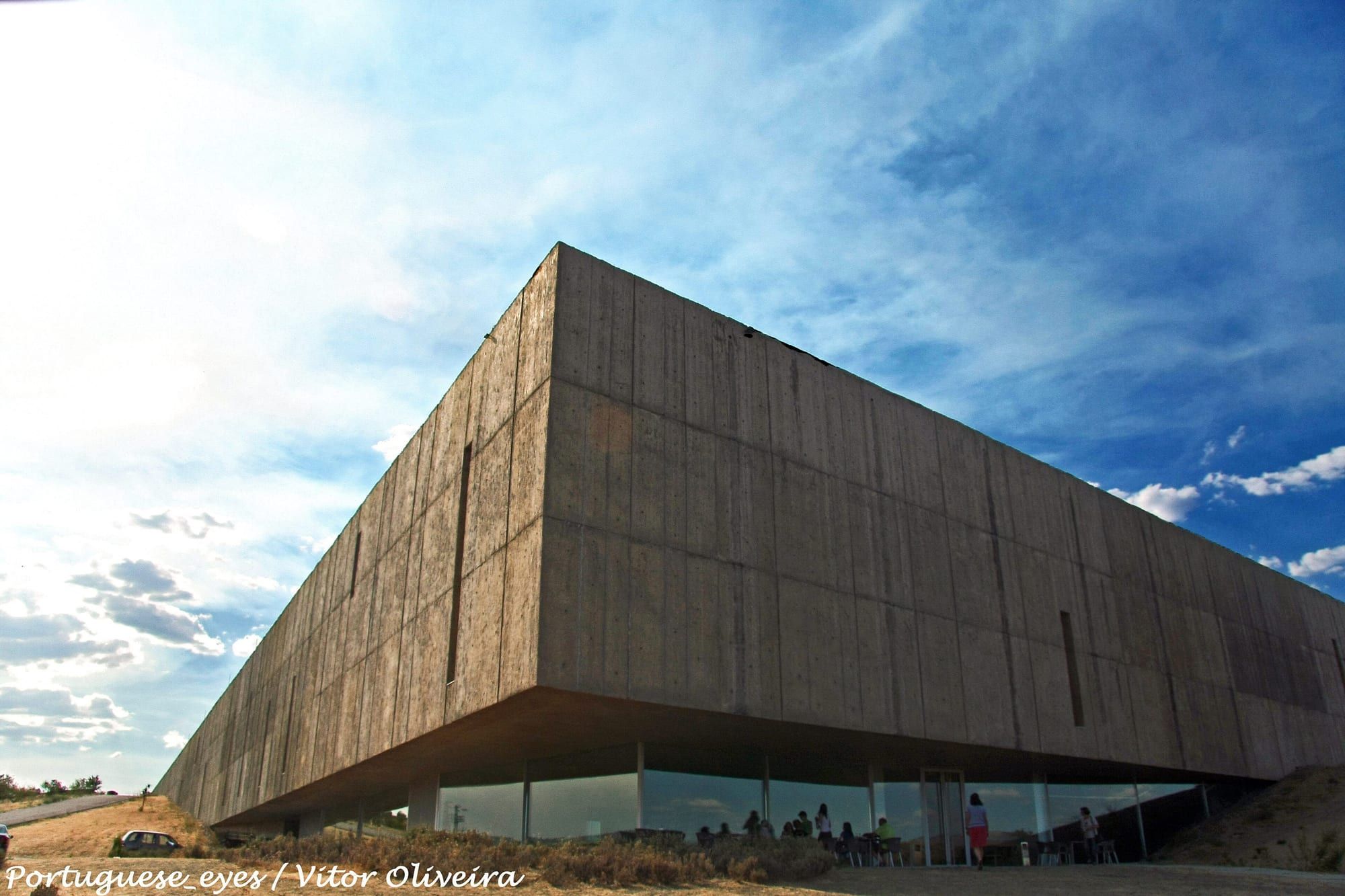
The Côa Museum shows replica panels, plaques of portable art found at Fariseu and galleries with virtual reality. It explains the context well, but the Fundação itself says the museum does not replace a visit to the sites. In the valley, the figures are where they were carved, and the guide shows them in the right light.
If you are short of time, Canada do Inferno combines the two, because it leaves from the museum itself: you can see the galleries before or after, with a museum ticket (€8) bought separately.
From Quinta Alto da Fraga
| Starting point | Distance | By car |
|---|---|---|
| Côa Museum (Canada do Inferno, kayak) | 1.6 km | 5 min (25 min on foot) |
| Canada do Inferno jetty (boat to Fariseu) | 4 km | 10 min |
| Muxagata parish council office (Ribeira de Piscos) | 8.7 km | 15 min |
| Castelo Melhor reception centre (Penascosa) | 14 km | 20 min |
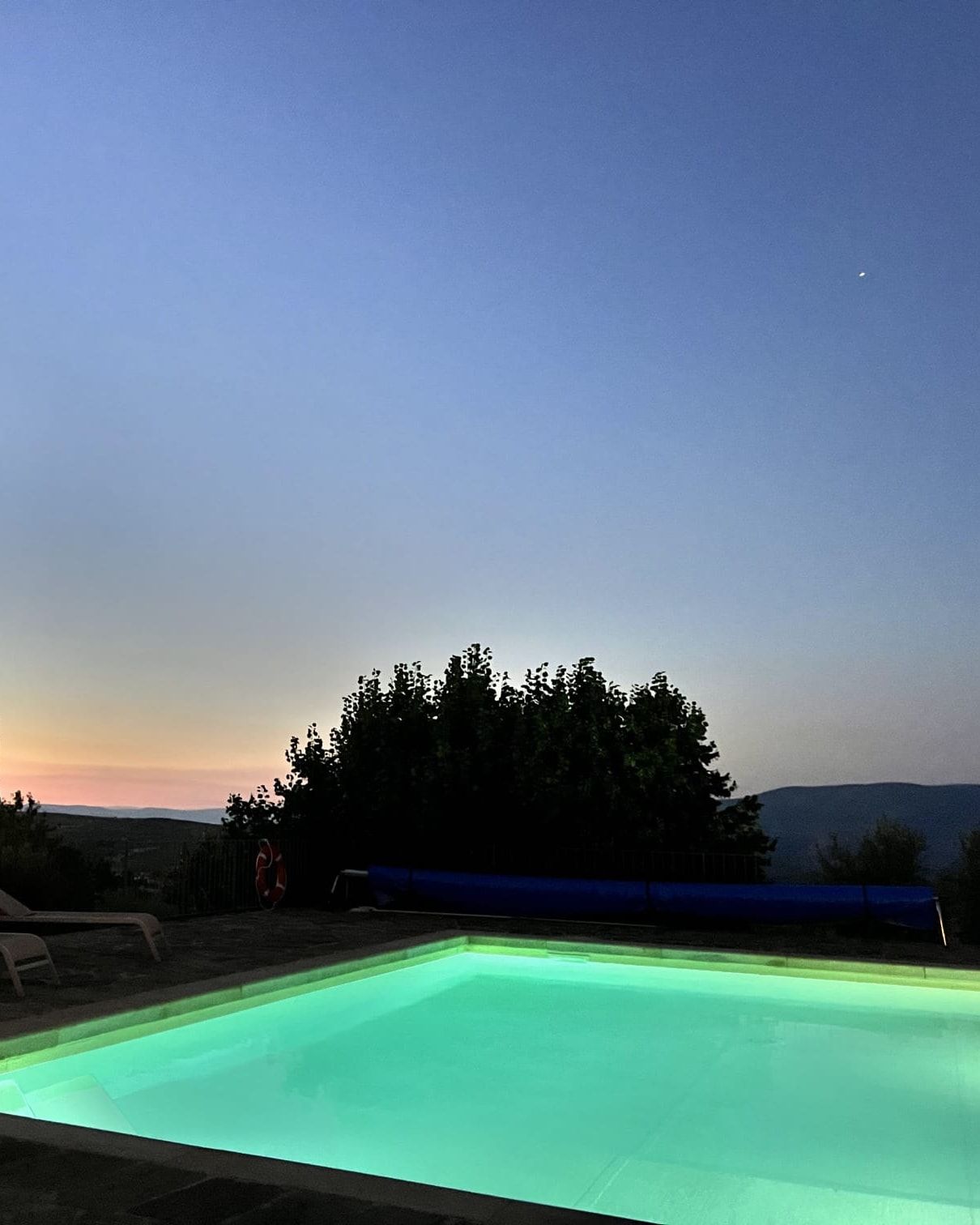
A possible day: Canada do Inferno in the morning, from the museum, 5 minutes from the quinta; lunch and a rest by the pool; Penascosa in the afternoon, or the night visit at dusk, leaving from Castelo Melhor, 20 minutes away. What to see in Castelo Melhor and Muxagata, beyond the meeting point, is in the article on the villages around Foz Côa.
Frequently asked questions
Do I need to book a Côa Valley rock art tour?
It is best to. There is a limit on visitors per day at each site, and each 4x4 carries no more than 8 people. Book on +351 279 768 260 (option 1), +351 965 778 799 or visitas@arte-coa.pt, giving the date, site, number of people and a phone number, or buy tickets from the Fundação Côa Parque online ticket office.
Which rock art site is the easiest to visit?
Penascosa. The Fundação Côa Parque rates it as very easy: about 600 metres on foot over wide, flat ground, with a stone stairway at the last two rocks. Canada do Inferno is of medium difficulty and Ribeira de Piscos medium to high, with about 2.2 km on foot.
Can I visit two rock art sites in one day?
Yes, one in the morning and one in the afternoon, which the Fundação considers the most you can do in a day. The most practical pairing is Canada do Inferno in the morning, from the Côa Museum, and Penascosa in the afternoon, from Castelo Melhor, 15 km from Vila Nova de Foz Côa.
Can young children go to see the engravings?
Children up to age 5 go free. Visits are restricted for under-3s and pregnant women, and the Fundação asks you to contact the booking office before buying a ticket. With children, Penascosa is the easiest choice, as it has the shortest and flattest walk.
If I only have time for one, should I choose the museum or the engravings?
The engravings. The museum shows replicas, portable art and context, but the Fundação itself says it does not replace a visit to the sites. With half a day, do Canada do Inferno, which leaves from the museum, and see the galleries before or after.
Sources
- Fundação Côa Parque: guided visits to the park
- Fundação Côa Parque: Canada do Inferno
- Fundação Côa Parque: Penascosa
- Fundação Côa Parque: Ribeira de Piscos
- Fundação Côa Parque: Ribeira de Piscos ticket (meeting point in Muxagata)
- Fundação Côa Parque: Penascosa night visit
- Fundação Côa Parque: boat trip to Fariseu
- Fundação Côa Parque: kayak visit
- Fundação Côa Parque: 2026 price list (30 October 2026)
- Fundação Côa Parque: opening hours and prices
- Fundação Côa Parque: code of conduct
- Fundação Côa Parque: online ticket office
- Fundação Côa Parque: Penascosa, new discoveries (November 2026)
- Fundação Côa Parque: the museum
Côa Museum, 5 minutes from the quinta
Four rooms on a quinta with a pool and views over the valley, 1.6 km from the Côa Museum. Rated 9.8 on Booking.com. Ask the hosts directly for availability.
Keep planning
-
-
-