Where to stay in the Douro Valley: Porto, Régua, Pinhão or the Upper Douro
Four possible bases for the Douro, with driving and train times, what is close to each one and what you give up by choosing another.
In short
It depends on what you want to see. For a single day, Porto is enough. For wine estates and boat trips with little driving, Pinhão or Régua, 1h30 to 1h50 from Porto, suit you best. For the Côa rock art, Castelo Rodrigo and fewer crowds, stay in the Upper Douro, at Vila Nova de Foz Côa, 3 hours from Porto, where summers are hotter.
Practical information
- Porto to Régua
- 94 km, about 1h30 by car
- Porto to Pinhão
- 124 km, about 1h50 by car
- Porto to Foz Côa
- 195 km, about 3h00 by car
- Régua to Pinhão
- 25 km, about 30 min
- Train
- Until 24 March 2027, CP bus between Caíde or Marco de Canaveses and Régua
- Annual rainfall
- From 1,200 mm in Baixo Corgo to 380 mm in Barca d'Alva (IVDP)
In this article
- The best areas to stay in the Douro Valley compared
- Staying in Porto and visiting the Douro on a day trip
- Staying in Régua
- Staying in Pinhão
- Staying in the Upper Douro, in Vila Nova de Foz Côa
- Where to stay in the Douro Valley without a car
- How much it costs to stay in each area
- Which area suits which trip
- One option in the Upper Douro: Quinta Alto da Fraga
Where to stay in the Douro Valley depends on how much time you have and what you want to see. For a single day, Porto is enough. With two or three days for wine estates and boat trips, Pinhão or Régua put you among the terraced vineyards. To combine the wine with the Côa rock art and the villages along the Spanish border, stay in the Upper Douro, around Vila Nova de Foz Côa.
The best areas to stay in the Douro Valley compared
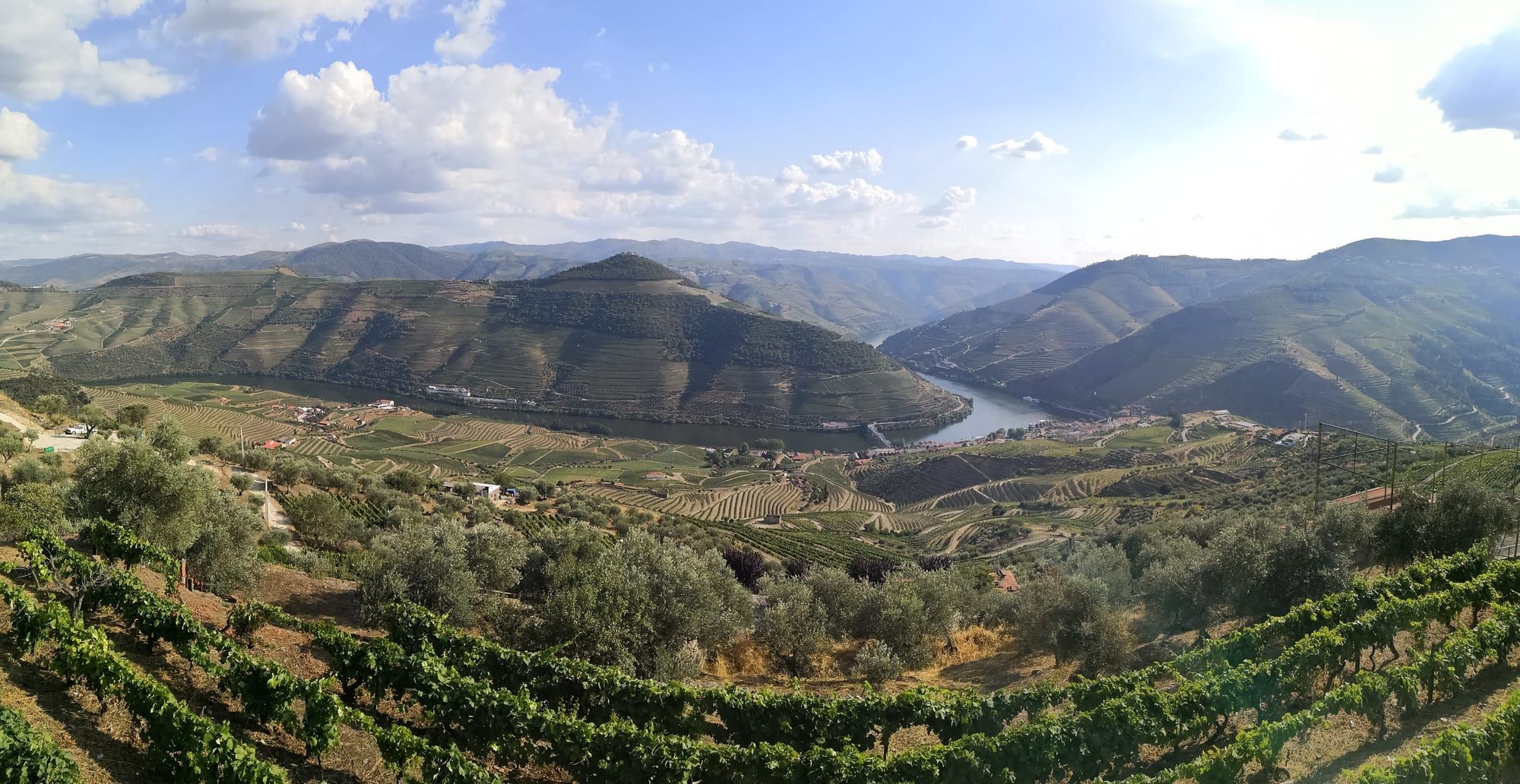
The Douro wine region is divided into three subregions, from west to east: Baixo Corgo, where Régua is; Cima Corgo, with Pinhão; and the Douro Superior (Upper Douro), with Foz Côa, which runs to the Spanish border. According to the IVDP, the Douro and Port Wine Institute, the Upper Douro is the largest of the three, at 110,000 hectares, against 95,000 for Cima Corgo and 45,000 for Baixo Corgo.
| Area | From Porto by car | Train from Porto (current timetable) | Close to | Drawbacks |
|---|---|---|---|---|
| Porto | In the city | Airport, restaurants, organised tours | 3 to 4 hours on the road for each day in the Douro | |
| Peso da Régua | 94 km, 1h30 | about 2h, with a bus between Caíde and Régua | Douro Museum, historic train, river quay | At the western end of the wine valley |
| Pinhão | 124 km, 1h50 | 2h45 to 4h, depending on the connection | Wine estates, boats, Casal de Loivos viewpoint | Small village, full in the busiest months |
| Upper Douro (Foz Côa) | 195 km, 3h00 | 3h43 to 5h04 to Pocinho | Côa rock art, Castelo Rodrigo, Barca d’Alva | Far from Porto, hot summers, fewer restaurants |
Driving times include a margin for the mountain roads. Train times come from the timetable of CP, the Portuguese railway company, in force since 3 November 2026, during the engineering works between Marco de Canaveses and Régua.
Staying in Porto and visiting the Douro on a day trip
If you are flying in, staying in Porto saves changing accommodation, and in the evening you have the restaurants of a big city. The price is the driving: Régua is 1h30 and Pinhão 1h50 away by car, which adds up to 3 to 4 hours behind the wheel in a single day, on top of the visits. Organised tours spare you driving after tastings, with a fixed route and schedule.
Until 24 March 2027, the train from Porto to Régua includes a stretch on a CP replacement bus, between Caíde or Marco de Canaveses and Régua, because of electrification works. The Côa Valley, 3 hours away, is out of reach on a day trip from Porto.
Staying in Régua
Peso da Régua is the gateway to the wine valley for anyone coming from Porto. It is a town, with more services than the smaller places further up the river. It has the Douro Museum (Museu do Douro), the railway station in the centre and the river quay. The Douro Historic Train to Tua departs from here: in 2026 it made 51 trips between 6 June and 18 October, on Saturdays, Sundays and some Wednesdays. CP has not yet announced the 2027 season.
The downside is its position. Régua is in Baixo Corgo, the rainiest part of the region and the closest to the coast, and Pinhão, in the heart of Cima Corgo, is 30 minutes away. The Côa is 83 km away, 1h35 by car.
Staying in Pinhão
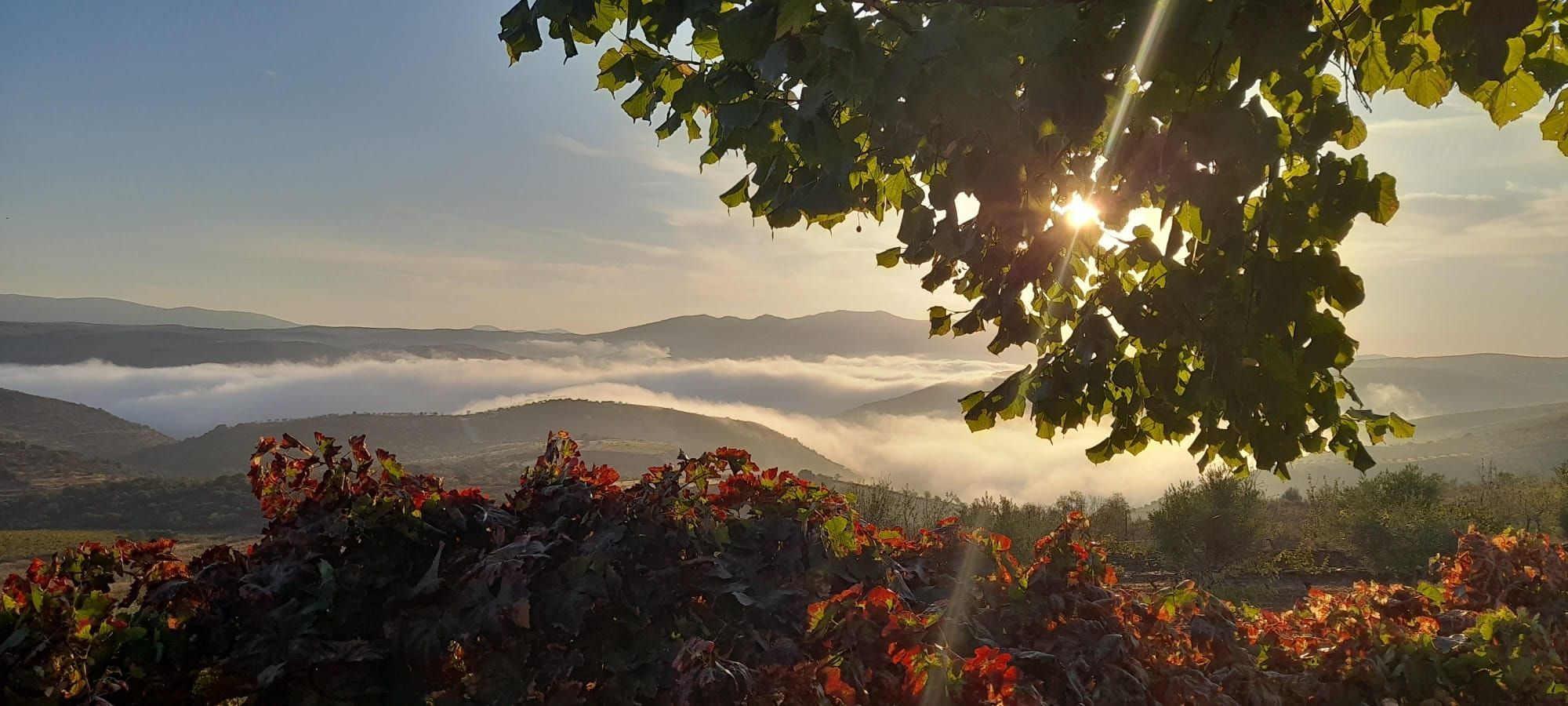
Pinhão is in the heart of Cima Corgo, with terraced vineyards on both sides of the river. The station is in the village, the quay takes sightseeing boats and cruises, and the wine estates with tastings are all around. The Casal de Loivos viewpoint, the one in the photo at the top of this article, is above the village. If you do not want to drive after a tasting, this is the base that means the least time on the road.
The drawbacks are size and demand: it is a small village by the river that fills up during the grape harvest and in summer. By train, the connection to Porto currently takes between 2h45 and 4 hours. The Côa is 63 km away, 1h15 by car, so you can fit in a rock art visit but not the rest of the Upper Douro.
Staying in the Upper Douro, in Vila Nova de Foz Côa
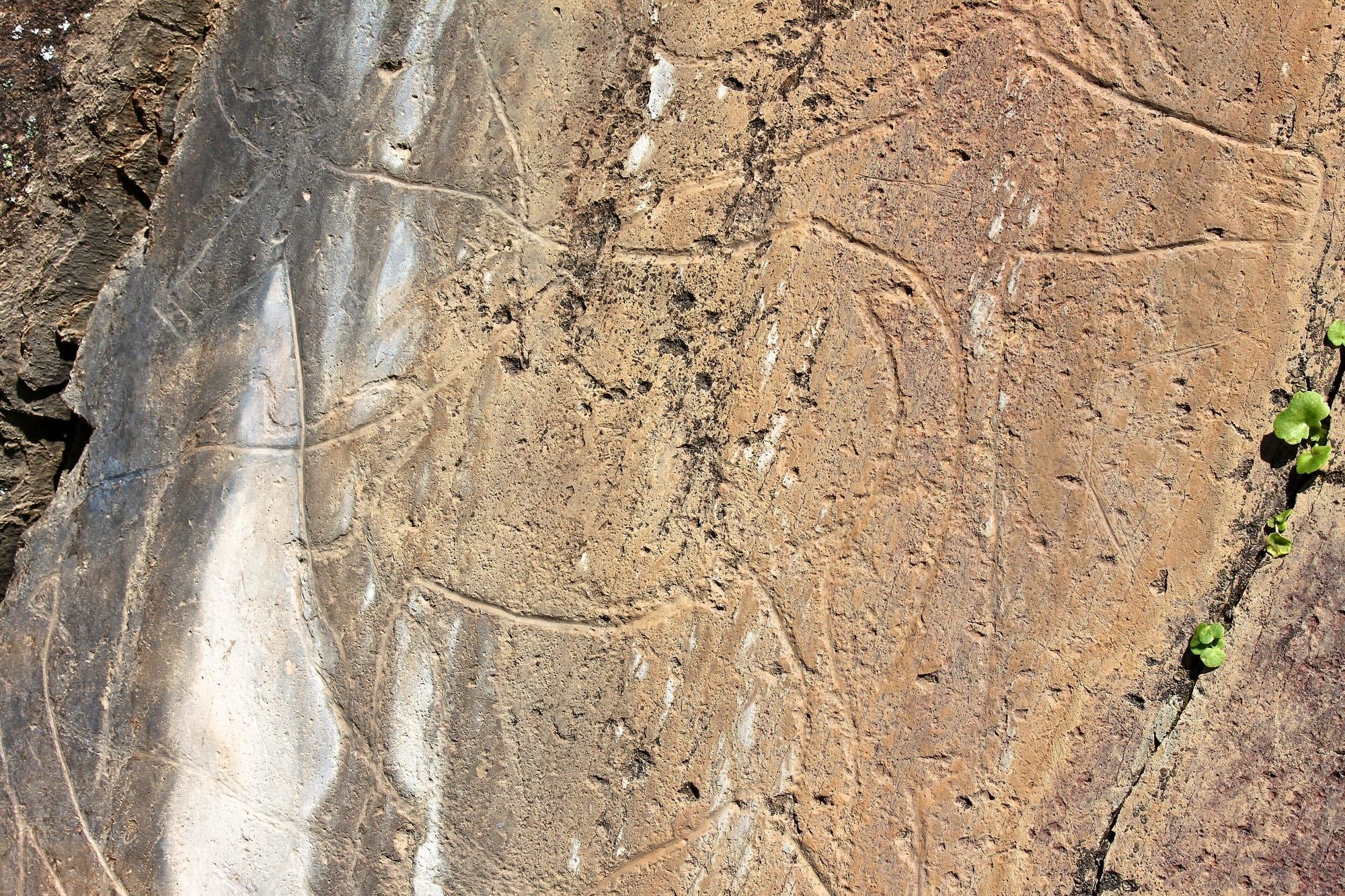
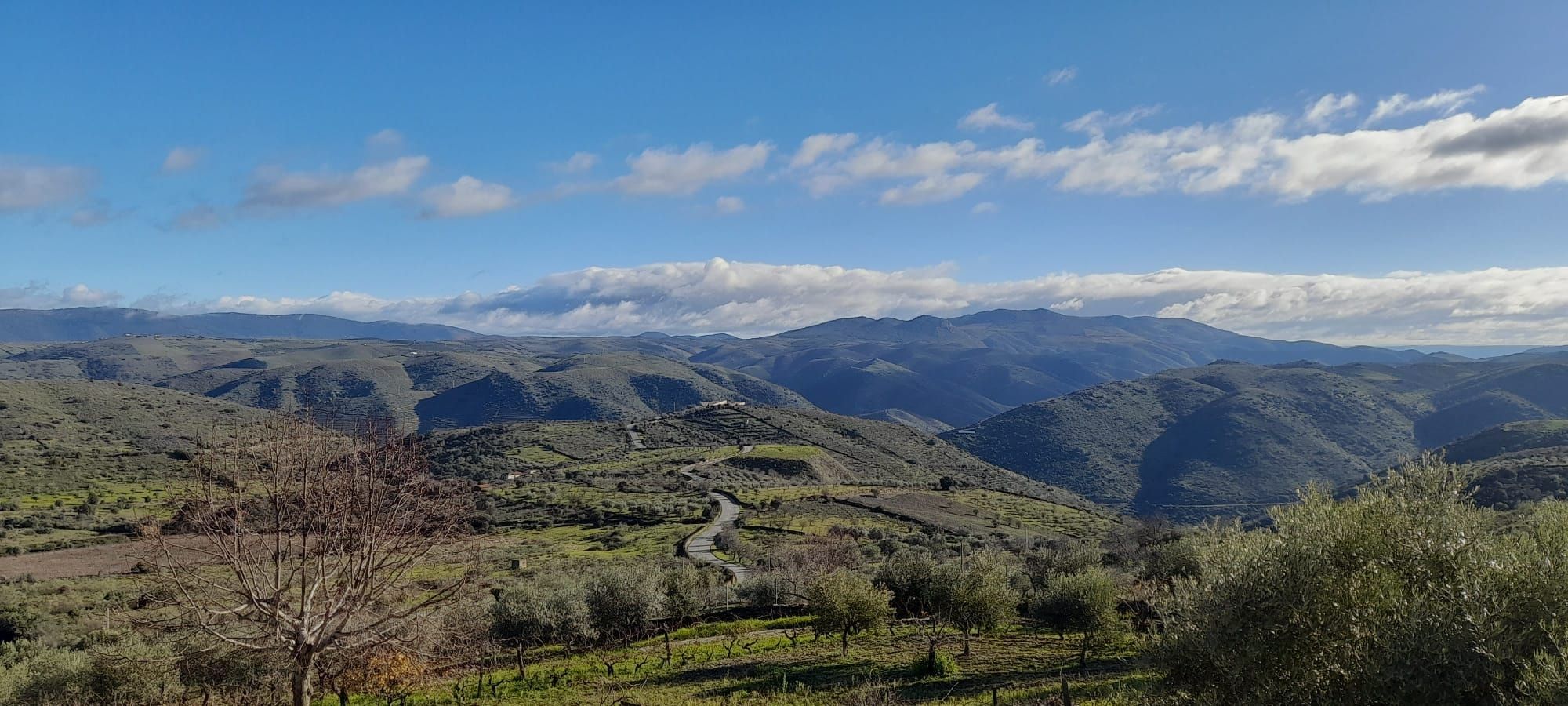
The Upper Douro is the easternmost and largest subregion. The landscape opens out: there are vineyards, but also almond and olive groves, and fewer of the steep, narrow slopes found downriver. The municipality of Vila Nova de Foz Côa has two UNESCO World Heritage Sites: the Côa Valley rock art and the Alto Douro Wine Region. Close by are the Côa Museum, the Canada do Inferno and Penascosa rock art, Castelo Rodrigo, Marialva, Barca d’Alva, the Faia Brava reserve and the Douro line at Pocinho.
On the minus side, it is 3 hours by car from Porto, and the train to Pocinho currently takes between 3h43 and 5h04. There are fewer restaurants, fewer organised trips and little public transport between villages. It is also hot: according to the IVDP, Barca d’Alva, at the far end of the Upper Douro, has the highest average temperatures in the region and about 380 mm of rain a year, against 1,200 mm in Baixo Corgo. In summer the Fundação Côa Parque warns of the risk of sunstroke at the bottom of the valley and suspends visits to Ribeira de Piscos.
In return, there are far fewer day-trippers, because Porto is a long way off. How to get there, and how long it takes from each city and airport, is in our article on how to get to Foz Côa.
Where to stay in the Douro Valley without a car
Without a car, the best base is Régua or Pinhão: the station is in town, the quay is close by and there are wine estates and boats within reach. Porto also works, with organised tours.
At Foz Côa, the train arrives at Pocinho, 8 km from the town, and from there you need a taxi or a pre-arranged pickup. In town, the Côa Museum and the Canada do Inferno visit, which starts at the museum, can be done on foot or with a short ride. Penascosa starts at Castelo Melhor, 14 km away, and Marialva and Castelo Rodrigo are 28 and 38 km away, with no useful bus. If you come without a car and want to see the Upper Douro, plan on taxis or hire a car for one of the days.
How much it costs to stay in each area
There is no public source that compares average accommodation prices between Porto, Régua, Pinhão and the Upper Douro. Prices vary a lot with the season: the grape harvest in September, the summer and Portuguese long weekends push everything up. To compare, search the same dates in all four areas and add the difference in fuel and driving time.
Which area suits which trip
- Porto, if you only have one day for the Douro, or are flying in and out without a car.
- Régua, if you want services, the Douro Museum and the historic train, and do not mind driving 30 minutes to Pinhão.
- Pinhão, if you are coming for the wine estates and the boats and want to drive as little as possible.
- The Upper Douro, if you want the Côa rock art, the historic villages and a quieter Douro, and have at least two nights. The 2- and 3-day itinerary from Foz Côa shows how the days fit together.
With five or six nights, one combination that works is two in Pinhão or Régua and three in the Upper Douro, or the other way round, linking the two areas by the Douro line train or by the 1h15 drive between Pinhão and Foz Côa.
One option in the Upper Douro: Quinta Alto da Fraga
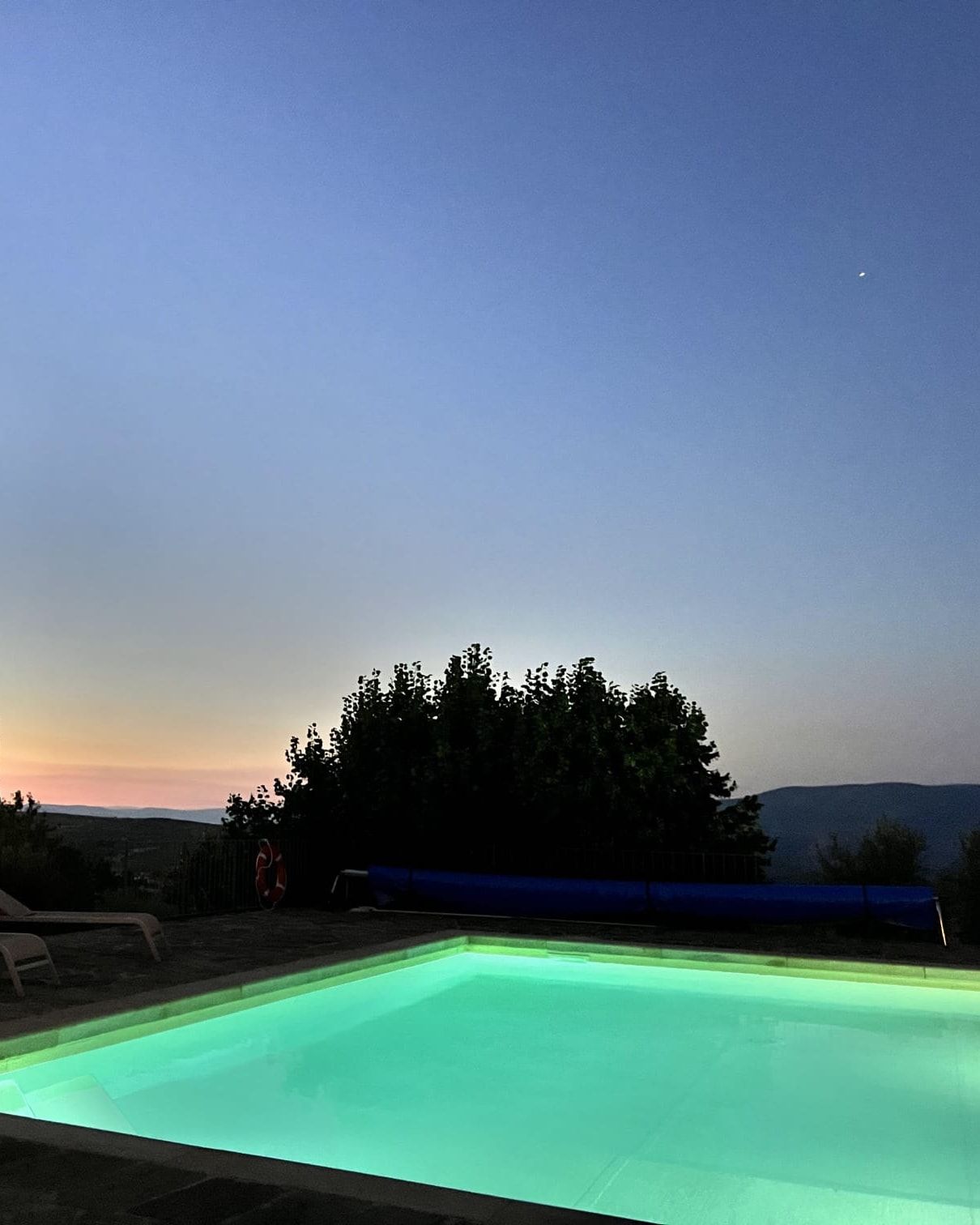
Quinta Alto da Fraga, which publishes this guide, is a rural guesthouse on Rua do Museu in Vila Nova de Foz Côa, with 4 rooms, a pool, a garden with olive and almond trees and a view over the valley. It is rated 9.8 on Booking.com from 351 reviews and received a Traveller Review Award in 2025. It is 1.6 km from the Côa Museum (5 minutes by car, 25 on foot), 900 metres from the town centre and 8 km from Pocinho station, where the hosts, Gunther and Filomena, can pick guests up for an extra charge. Bicycles are available to hire, and the hosts speak Portuguese, English, French, Spanish and Dutch. It shares the drawbacks of the rest of the Upper Douro: it is 3 hours from Porto, summers are hot and, without a car, Penascosa and the villages mean taking a taxi. The rooms and the booking request are on the quinta’s own pages.
Frequently asked questions
What is the best area to stay in the Douro Valley?
For wine estates, tastings and boats, Pinhão, in the heart of Cima Corgo, is the most practical base. Régua has more services and the historic train. Porto suits those with only one day. The Upper Douro, around Foz Côa, is the choice if you want to combine wine with the Côa rock art.
Where should I stay in the Douro Valley without a car?
In Régua or Pinhão, where the station is in the town itself and the river quay is close by. At Foz Côa, Pocinho station is 8 km from the town; the museum and the Canada do Inferno visit can be done without a car, but Penascosa and the villages need transport.
Can you see the Douro Valley in a day from Porto?
You can see the stretch between Régua and Pinhão: 1h30 to 1h50 by car each way, or an organised tour. The Upper Douro and the Côa Valley are 3 hours from Porto, too far for a there-and-back day trip with time for the visits.
Is the Upper Douro very hot in summer?
It is the hottest and driest part of the Douro. According to the IVDP, Barca d'Alva has the highest average temperatures in the region and about 380 mm of rain a year. In summer the Fundação Côa Parque warns of the risk of sunstroke on the rock art visits.
Are there rural guesthouses with a pool in the Upper Douro?
Yes. In Vila Nova de Foz Côa, Quinta Alto da Fraga, which publishes this guide, has 4 rooms, a pool and a garden with olive and almond trees, 1.6 km from the Côa Museum. Because summers in the Upper Douro are hot, a pool matters more when choosing where to stay than it does in Porto.
Sources
- IVDP: characteristics of the Douro Demarcated Region (subregions, rainfall and temperature)
- CP: Douro line timetable in force since 3 November 2026
- DN/Lusa: Douro line services suspended between Marco and Régua (12 October 2026)
- CP: Douro Historic Train in 2026
- Museu do Douro (Peso da Régua)
- All About Portugal: Pinhão river quay
- Fundação Côa Parque: guided visits to the park (conditions and heat)
- Fundação Côa Parque: Ribeira de Piscos (not available in summer)
- Vila Nova de Foz Côa town council: tourist map (two World Heritage Sites)
- OSRM and OpenStreetMap (distance and travel time calculations)
Stay in the middle of the Côa Valley
Four rooms on a quinta with a pool and views over the valley, 1.6 km from the Côa Museum. Rated 9.8 on Booking.com. Ask the hosts directly for availability.
Keep planning
-
-
-